
Shoulder Surgery
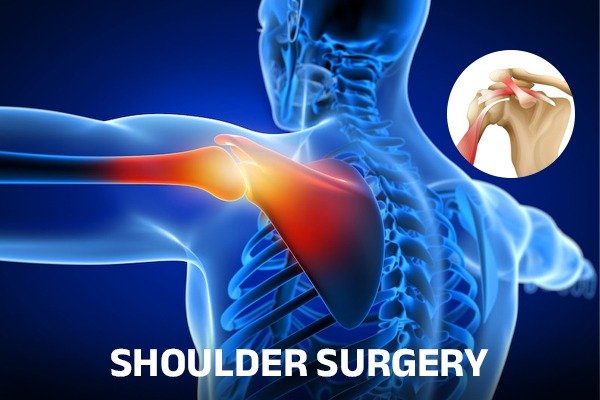
Shoulder Surgery
Shoulder pain and dysfunction can disrupt your daily life and limit your range of motion. Shoulder Surgery is a specialized medical procedure designed to address a range of shoulder conditions, providing relief from pain, restoring strength, and improving your overall quality of life.
Shoulder Surgery encompasses a variety of surgical procedures aimed at treating conditions affecting the shoulder joint. These procedures may involve repairing damaged tendons, ligaments, or the joint itself, as well as addressing other issues such as impingement or instability.
When Shoulder Surgery is Considered?
Rotator Cuff Tears: Surgery may be recommended for individuals with significant rotator cuff tears that do not respond to non-surgical treatments.
Labral Tears: Surgery is often necessary to repair labral tears, which can cause pain and instability in the shoulder.
Shoulder Instability: For recurrent shoulder dislocations or instability, surgical procedures can help restore stability to the joint.
Arthritis: In cases of severe shoulder arthritis, joint replacement surgery may be considered to relieve pain and improve function.
The Shoulder Surgery Procedure
1. Preparation
Before the surgery, you’ll undergo a comprehensive evaluation, including medical history, physical examination, and imaging tests. Your surgeon will discuss the procedure, answer questions, and ensure you are prepared.
2. Surgery
The specific procedure will depend on your diagnosis. It may involve repairing damaged tissues, stabilizing the shoulder joint, or replacing the joint. The surgery is performed under anesthesia to ensure your comfort.
3. Recovery
After surgery, you’ll spend time in the recovery area before moving to a hospital room. Post-operative care will include pain management and monitoring for complications.
4. Rehabilitation
Rehabilitation, including physical therapy, is an essential part of your recovery plan. It helps you regain strength, mobility, and function.