
Joint Preservation Surgery
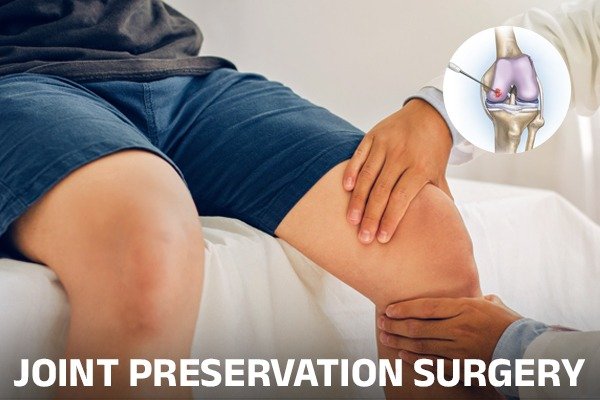
JOINT PRESERVATION SURGERY
Joint pain and limited mobility can significantly impact your daily life. Joint Preservation Surgery is an advanced medical procedure aimed at addressing joint conditions early, preserving your natural joints, and improving your overall quality of life.
Joint Preservation Surgery encompasses a range of surgical techniques and treatments designed to halt the progression of joint degeneration or injury. Unlike joint replacement surgery, which involves replacing a joint with artificial components, joint preservation focuses on retaining and repairing your natural joints.
When Joint Preservation Surgery is Recommended?
Early-Stage Arthritis: Joint Preservation Surgery is often recommended for patients with early-stage arthritis before severe joint damage occurs.
Cartilage Injuries: It can be an effective solution for individuals with cartilage injuries, such as lesions or defects, to prevent further deterioration.
Sports Injuries: Athletes with sports-related joint injuries may benefit from joint preservation procedures to maintain peak performance.
Common Joint Preservation Procedures -
1. Microfracture
This procedure stimulates the growth of new cartilage by creating small fractures in the bone, promoting the body’s natural healing process.
2. Cartilage Transplantation
Healthy cartilage tissue is transplanted to replace damaged cartilage, promoting joint health and function.
3. Osteotomy
In this procedure, the alignment of the bones is adjusted to relieve pressure on a damaged joint surface.
4. Ligament Reconstruction
Reconstruction of damaged ligaments helps stabilize the joint, preventing further damage.